Caribbean · Limón · Costa Rica
What Is Life in Limón, Costa Rica Like?
Limón — formally Puerto Limón — is the largest city on Costa Rica's Caribbean coast and the canton seat of the central Limón canton. It's a working port city with a distinctive Afro-Caribbean cultural heritage, the country's main Caribbean shipping infrastructure, and a daily reality that has very little overlap with the tourism-oriented southern Caribbean coast destinations of Cahuita and Puerto Viejo.
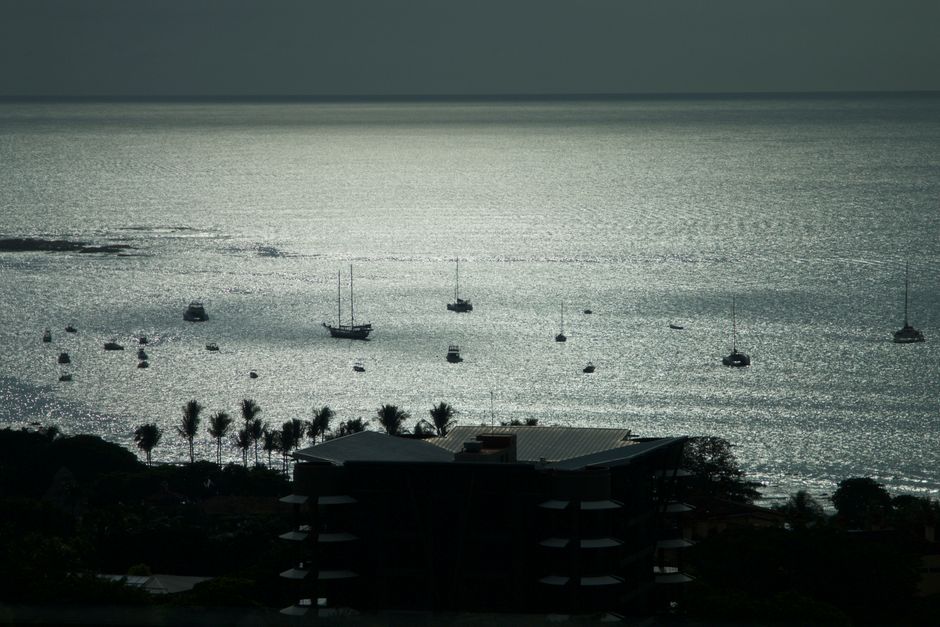
What Limón Actually Is
Limón — formally Puerto Limón, but locally usually just Limón — is the largest city on Costa Rica's Caribbean coast and the canton seat of the central Limón canton in Limón province. The city sits on the central Caribbean coast, functioning as Costa Rica's main Caribbean port and the regional commercial hub for the broader Caribbean province. The city has a distinctive cultural heritage that distinguishes it from the rest of Costa Rica — the substantial Afro-Caribbean population descended from Jamaican workers brought to Costa Rica in the 19th century to build the railroad and work in banana production, the resulting English-influenced Caribbean cultural traditions, and the broader connection to the wider Caribbean cultural world that doesn't exist anywhere else in the country.
What Limón is not: a tourism destination, an expat-popular area, or a beach community. The city is a working port and regional commercial center with the rough edges of any working Caribbean port city — busy commercial activity, traffic, urban character, and the daily rhythm of a working city serving regional commercial needs. The southern Caribbean coast tourism destinations (Cahuita, Puerto Viejo, Manzanillo) are an hour or more south and have very different character. People who arrive in Limón expecting laid-back Caribbean beach-town atmosphere are immediately oriented to a different reality.
What Limón is: an authentic working Caribbean port city with distinctive cultural heritage and substantial cost savings compared to all expat-popular destinations. The city center has full urban services — multiple supermarkets, banks, government offices, the regional public hospital (Hospital Dr. Tony Facio Castro), restaurants, the regional bus terminal, and the broader infrastructure of a regional commercial center. The Afro-Caribbean cultural heritage produces a daily life with traditional Caribbean cuisine (rice and beans cooked with coconut milk, rondón, jerk-style chicken, patí pastries, pan bon bread), music traditions including calypso and reggae, and cultural patterns connected to the wider Caribbean world that exist nowhere else in Costa Rica.
- Largest city on Costa Rica's Caribbean coast; canton seat of central Limón canton
- Costa Rica's main Caribbean port and regional commercial hub
- Distinctive Afro-Caribbean cultural heritage descended from Jamaican railroad and banana workers
- Working port city — fundamentally different from southern Caribbean tourism destinations
- Annual Carnival in October is one of Costa Rica's most distinctive cultural events
- San José metro 3 hours via Limón highway; Cahuita 1 hour south; Puerto Viejo 1.25 hours south

What Daily Life Looks Like
Daily life in Limón depends substantially on which area you choose. The city center and the surrounding districts produce meaningfully different daily experiences.
For groceries, the city center has multiple options — multiple supermarkets, the traditional Mercado Municipal, Pali, and various smaller markets. The traditional Caribbean cuisine ingredients (coconut milk, plantains, root vegetables, fresh fish, and Caribbean spices) are widely available. Specialty international items are limited; residents who want broader international grocery options typically combine Limón shopping with occasional trips to San José metro.
Professional services are well-developed for a Costa Rican regional commercial center. Banks, pharmacies, hardware stores, vet clinics, auto services, the regional bus terminal, and the full range of urban services are available locally. Internet through fiber providers reaches most populated areas with reasonable reliability, though specific properties should be verified.
The Afro-Caribbean cultural heritage shapes daily life in distinctive ways. Traditional Caribbean cuisine appears throughout the city's restaurants and family kitchens. Caribbean English influences appear in some communities. Music traditions including calypso, reggae, and other Caribbean styles produce a particular cultural atmosphere. Some residents specifically value daily immersion in this cultural heritage that doesn't exist anywhere else in Costa Rica.
The Catholic church and the central plaza area anchor much of civic life. The Anglican church and Protestant traditions also have presence, particularly in Afro-Caribbean communities. Religious festivals and the annual fiestas patronales bring the community together.
Mornings begin early with the rhythms of a working Caribbean port city. School commutes, port workers, business openings, regional bus departures, and the daily activity of urban Caribbean life all begin before sunrise. The Caribbean climate means that early morning and evening hours are most comfortable for outdoor activity.
- Daily life varies between urban city center and surrounding districts
- Multiple supermarkets, traditional Mercado Municipal, Caribbean ingredients widely available
- Afro-Caribbean cultural heritage shapes daily life in distinctive ways
- Caribbean cuisine — rice and beans with coconut, rondón, patí, pan bon — distinctive food destination
- Traffic significant during peak hours; port operations contribute to truck traffic
- Annual October Carnival is one of Costa Rica's most distinctive cultural events
Climate and Environment
Limón's climate is genuinely Caribbean — warm and humid year-round, with substantial rainfall throughout most of the year. The Caribbean side of Costa Rica has a fundamentally different rainfall pattern than the Pacific side: there is no sharp dry season, rainfall is distributed throughout the year with some months wetter than others, and the region receives more total rainfall than most Pacific destinations.
Daytime temperatures regularly reach the upper 80s Fahrenheit year-round. Nighttime temperatures stay in the upper 70s. Humidity is consistently very high — often higher than Pacific coastal Costa Rica because of the year-round rainfall pattern and the Caribbean weather systems. Air conditioning is genuinely necessary in housing, with the rainforest climate producing conditions that fans alone cannot manage comfortably.
The rainfall pattern is meaningful. Limón province is among the wettest parts of Costa Rica, with substantial rainfall throughout the year. The September-October period and the broader latter part of the year tend to have somewhat lower rainfall, but no period is truly dry by Pacific Costa Rica standards. Rainfall can be intense — heavy tropical downpours that flood streets, affect driving, and produce ongoing maintenance demands. Some areas experience flooding during the wettest periods.
The natural environment is genuinely tropical rainforest transitioning to coastal mangroves and Caribbean coastal ecosystems. The surrounding region supports remarkable biodiversity including extensive bird species, sloths, monkeys (howler and capuchin), iguanas, snakes, and the broader rainforest wildlife. The Tortuguero region to the north is one of Costa Rica's most ecologically significant areas. The southern Caribbean coast supports its own distinctive ecosystems.
Wildlife encounters in residential areas are real. Insects are abundant year-round given the climate. Snakes (including venomous species) occasionally appear in residential areas. The lush tropical environment that attracts some residents to the region comes with the full reality of tropical rainforest climate maintenance demands.
- Genuinely Caribbean climate — warm, humid, rainy year-round
- No sharp dry season; substantial rainfall throughout most of the year
- Daytime upper 80s F year-round; high humidity makes AC genuinely necessary
- Among the wettest parts of Costa Rica — heavy rainfall produces flooding in some areas
- Rainforest climate genuinely hard on construction — mold, humidity damage real ongoing concerns
- Tortuguero National Park to the north supports remarkable biodiversity

Cost of Living Reality
Limón is among the most affordable Costa Rican urban locations. Property prices, rentals, dining, and most daily costs reflect the working port-city character with no expat premium and limited international concentration.
Imported goods carry standard import duties. Local produce, fresh fish from the Caribbean, traditional ingredients, and basic services are notably affordable. Restaurants are mostly Costa Rican sodas serving traditional Caribbean and broader Costa Rican cuisine at affordable prices. Higher-end international restaurants are essentially absent. Daily eating costs are substantially below any expat-popular Costa Rican destination.
Housing varies meaningfully by neighborhood and district. The city center has affordable urban housing in some neighborhoods and mid-range options in others — but neighborhood quality varies substantially within the city, and buyers should investigate carefully. Surrounding districts have a wide range — from very affordable rural properties to mid-range homes in established residential areas. The market is meaningfully thinner than at established expat destinations, with fewer transactions and less established pricing patterns. Long-term rentals exist but the market is smaller and less developed than at expat-popular destinations.
Utilities are typical for Costa Rica with the particular Caribbean climate considerations. AC bills accumulate substantially given the year-round heat and humidity. Internet is competitively priced where available. Water service is generally reliable but specific properties should be verified.
Vehicle ownership is normal. The city center is more walkable than some Costa Rican places for residents living centrally, but the broader area requires vehicles. Public buses are widely available within the city and for regional routes.
HOA fees apply in some gated residential developments but most housing is traditional Costa Rican rather than developer-built gated communities.
- Among the most affordable Costa Rican urban locations
- Dramatic cost savings compared to any expat-popular destination
- Local produce, fresh Caribbean fish, traditional ingredients notably affordable
- Neighborhood quality varies substantially within city — investigate carefully
- Real estate market thinner than at established expat destinations
- AC genuinely necessary year-round — bills accumulate substantially
Healthcare Access
Limón has the most comprehensive healthcare infrastructure on Costa Rica's Caribbean coast. The combination of the regional public hospital, multiple private clinics, and the city's status as a regional commercial center produces healthcare access that is meaningfully better than at the southern Caribbean tourism destinations or other Caribbean coast locations.
For routine care, Limón has multiple private clinics and specialist offices in the city center. Pharmacies are widely available. The CAJA system has strong presence in the area for residents enrolled in the public system.
For specialist and hospital care, Hospital Dr. Tony Facio Castro is the regional public hospital — the largest on Costa Rica's Caribbean coast. The hospital handles emergencies, surgeries, and a range of specialist care for the canton and broader region. Multiple private clinics handle additional specialist needs.
For advanced specialty care, residents drive to San José metro (about three hours via the Limón highway) where Hospital CIMA Escazú and Hospital Clínica Bíblica are widely used by the international expat community. The drive is generally reliable through the Braulio Carrillo highway corridor, though heavy weather can affect timing.
For emergencies, Hospital Dr. Tony Facio Castro handles initial response; the most serious cases can involve transport to San José metro. Air ambulance services exist for very serious cases.
Dental care is widely available locally for routine work. More specialized dental work typically involves trips to San José metro.
Mental health services are accessible through the regional infrastructure. The broader range of specialists found in larger metropolitan areas requires travel.
Health insurance options are the same as elsewhere in Costa Rica — international, private Costa Rican plans, or CAJA enrollment.
Limón's healthcare access is genuinely the best on Costa Rica's Caribbean coast. Better than Cahuita, Puerto Viejo, and all other Caribbean destinations — which means southern Caribbean coast residents sometimes drive to Limón for medical needs.
- Hospital Dr. Tony Facio Castro is largest regional public hospital on Caribbean coast
- Multiple private clinics and specialists in city center
- San José metro hospitals 3 hours via Limón highway
- Best healthcare access on Costa Rica's Caribbean coast
- Southern Caribbean tourist-destination residents often come to Limón for serious medical needs
- Air ambulance available for very serious emergencies

Getting Around and Getting Out
Limón has reasonable transportation infrastructure for a Costa Rican regional commercial center, with the practical reality that the Caribbean coast's geography produces specific access patterns.
For flights, the relevant airport is Juan Santamaría International (SJO) in Alajuela, about three hours west via the Limón highway through the Braulio Carrillo National Park area. The drive is generally reliable through this main commercial route, though heavy weather can affect timing. The route descends from the Central Valley to the Caribbean lowlands through tropical forest. There is a smaller regional airport in Limón itself (Aeropuerto Internacional de Limón) but it has limited commercial service; SJO is the practical airport for most international travel.
For regional access, the southern Caribbean coast tourist destinations are the main regional connection — Cahuita is about an hour south, Puerto Viejo about an hour and fifteen minutes, Manzanillo and the broader southern Caribbean about an hour and a half. The northern Caribbean — including Tortuguero National Park access points — extends north from Limón along the coast. Access to Tortuguero specifically involves boat transport from points north of Limón.
For Caribbean coast access generally, Limón serves as the regional commercial hub. The drive south to the tourist destinations is straightforward along the coastal route. The drive north toward Tortuguero involves more limited road infrastructure as the route enters the more remote northern coastal region.
Within the Limón area, transportation depends on neighborhood and district. The city center is more walkable than many Costa Rican places for residents living centrally — though neighborhood quality variation means residents should evaluate walkability carefully for specific locations. Public buses are widely available within the city and for regional routes. The surrounding districts require vehicles for most daily needs.
Traffic concentrates during peak hours, with port operations contributing significant truck traffic. The city's role as a regional commercial center produces commercial traffic patterns beyond typical residential commute patterns.
- SJO airport ~3 hours west via Limón highway through Braulio Carrillo
- Cahuita 1 hour south; Puerto Viejo 1.25 hours south
- Tortuguero National Park access via boat from points north of Limón
- City center walkability varies by neighborhood
- Good regional bus service to San José and southern Caribbean destinations
- Vehicle useful for access beyond city center to broader Caribbean coast

Community and Social Life
Limón's social fabric is genuinely distinctive — shaped by the Afro-Caribbean cultural heritage, the working port-city character, and the very small expat presence.
The Costa Rican community is the foundation of daily life, with the Afro-Caribbean population producing the cultural character that distinguishes Limón from the rest of Costa Rica. Many local families have lived in the broader Limón area for generations, with deep roots in the cultural traditions that descended from the Jamaican workers brought to Costa Rica in the 19th century. These traditions include English-influenced Caribbean cultural patterns, traditional Caribbean cuisine, music traditions, religious diversity (including Anglican and Protestant traditions alongside Catholic), and the broader connection to the wider Caribbean cultural world.
The broader Costa Rican community in Limón includes families connected to port operations, commercial activity, government services, education, healthcare, and the regional service economy. Indigenous communities exist in surrounding rural areas. Immigrant communities involved in port and commercial activity contribute to the city's diverse character.
The expat community is genuinely small. Most international residents in Costa Rica's Caribbean province choose the southern coast destinations rather than Limón itself. The few expats who choose Limón typically have specific reasons — deep prior connections, family ties, work involving the port or commercial activities, or specific interests that the surrounding region serves. Finding the small expat community here requires deliberate effort.
Gathering points include the central park area, the Saturday markets, several long-running local restaurants serving traditional Caribbean cuisine, religious community activity (including both Catholic and Protestant traditions), and the regional soccer team's matches. The annual Carnival in October is the most distinctive social event of the year — a genuine cultural celebration with deep roots in the Afro-Caribbean heritage that draws visitors from throughout the country.
- Distinctive Afro-Caribbean cultural heritage shapes daily community life
- Religious diversity — Catholic, Anglican, Protestant traditions all present
- Very small expat community compared to any expat-popular Costa Rican destination
- Spanish proficiency genuinely necessary; Caribbean English helpful for some communities
- Annual October Carnival is most distinctive social event
- City reputation outside Limón carries some prejudice — evaluate through direct experience

Schools and Family Life
The Limón area has reasonable educational infrastructure for a Costa Rican regional center, though more limited than larger metropolitan destinations.
For Costa Rican families, the public school system is well-developed throughout the broader area. Primary, secondary, and some post-secondary options exist locally. Many Costa Rican parents who can afford private education send their children to private schools in Limón itself.
For expat families, private and bilingual school options serve the area but are very limited compared to the Central Valley or major coastal destinations. International schools require relocating to San José metro or accepting boarding situations. Families with school-age children should research current school options carefully — the educational ecosystem on the Caribbean coast continues to evolve, but options remain meaningfully more limited than at expat-popular destinations.
Costa Rica is generally safe and welcoming for children. The Caribbean cultural environment provides distinctive childhood experiences — exposure to Afro-Caribbean traditions, Caribbean cuisine, music, and the broader cultural heritage that exists nowhere else in Costa Rica. Children growing up in Limón have unusual cultural exposure compared to the rest of the country. Pediatric healthcare is accessible at Hospital Dr. Tony Facio Castro and through specialist offices in the city center.
Activities for children include traditional Costa Rican youth activities (soccer is particularly strong here), school programs, organized sports leagues, beach activities at nearby beaches (with the safety considerations of Caribbean ocean conditions), and exposure to the distinctive cultural traditions through community activities and the annual Carnival.
The peer community of expat children in Limón itself is very small. The demographic skews almost entirely toward Costa Rican families. Children with international family backgrounds often develop closer ties with the Costa Rican community than with any expat peer group.
- Public schools well-developed; very limited bilingual options locally
- International schools require relocating to San José metro or boarding
- Pediatric healthcare best on Caribbean coast through Hospital Dr. Tony Facio Castro
- Distinctive cultural exposure to Afro-Caribbean traditions exists nowhere else in CR
- Very small peer community of expat children
- Neighborhood selection matters significantly for family safety considerations
Working and Income
Income strategies in Limón combine the regional commercial economy with remote work potential, with the practical reality that the city's working port-city character produces specific employment and entrepreneurial patterns.
For remote workers, Limón is viable but requires specific evaluation. Internet through fiber providers reaches most populated areas with reasonable reliability, though specific properties should be verified. The Caribbean climate makes home offices demanding without good AC. Time zone aligns with North America. Coworking is mostly accessed in San José metro for those who want shared work space. The substantially lower cost of living compared to any expat-popular destination is a draw, but the practical considerations around climate, neighborhood selection, and the lack of remote-worker community infrastructure make Limón less attractive than other low-cost Costa Rican alternatives for most remote workers.
For employment, local options center on the port and commercial economy, the regional service infrastructure, and the broader Costa Rican economy. Port operations, shipping, transportation, commercial services, healthcare through Hospital Dr. Tony Facio Castro and the broader medical infrastructure, education, government, and the broader regional commercial activity all provide stable employment. Foreigners need appropriate residency status and work authorization. Pay reflects the Costa Rican economy.
For entrepreneurs, the combination of regional commercial center economy and very small expat community supports specific kinds of businesses. Services for the Costa Rican community at standard local pricing, services connected to the port and commercial activity, real estate, certain hospitality and food businesses (the Caribbean cuisine traditions create opportunities), and business connected to the surrounding region's tourism (particularly southern Caribbean coast and Tortuguero connections) all have working models. Competition from international entrepreneurs is essentially absent — there are no expat-driven business ecosystems here as at Puerto Viejo or Pacific destinations.
Vacation rental income is essentially absent. Limón is not a tourism destination; short-term rental demand is minimal outside specific periods (Carnival week). Buyers expecting vacation rental income should consider other destinations entirely.
- Remote work viable but practical considerations make Limón less attractive than other low-cost CR alternatives
- Port operations, commercial services, regional healthcare, and government concentrate employment
- Caribbean cuisine traditions create entrepreneurial opportunities
- Minimal entrepreneurial competition compared to expat-popular destinations
- Vacation rental income essentially absent — Limón is not a tourism destination
- Best suited for buyers with deep Caribbean cultural ties or specific port-economy connections

Safety and Honest Concerns
Limón is the Costa Rican destination where safety considerations are most distinctive. The combination of working port-city character, neighborhood quality variation within the city, the drug economy connected to the Caribbean coast, and the broader urban character produces a daily life with safety considerations that differ substantially from most Costa Rican destinations.
Petty crime is more common than at most Costa Rican destinations. Theft from unlocked vehicles, opportunistic break-ins, pickpocketing in busy commercial areas, and the standard urban crime patterns are all present. Some neighborhoods within the city have substantially higher rates than others. Basic precautions reduce these risks, but newcomers should specifically educate themselves about which areas to avoid at which times.
Violent crime rates are higher than at most Costa Rican destinations. The drug economy that affects Costa Rica's Caribbean coast has particular presence in Limón because of the port and the geographic position. Most violent crime is connected to the drug economy and specific situations rather than random street violence against residents in their daily routines, but the patterns are real and affect how residents structure daily life. The city has more drug-economy-related violent crime than is typical for Costa Rica.
Some neighborhoods within Limón carry significantly mixed reputations. The variation in neighborhood quality within the city is substantial. Long-term residents and locals know the patterns; new buyers should specifically ask about specific neighborhoods, walk areas at multiple times of day, and not assume uniform character throughout the city. This neighborhood evaluation is more important in Limón than at most Costa Rican destinations.
The drug economy connected to the Caribbean coast has presence here that is real. Most residents going about daily life in safer neighborhoods rarely encounter it directly, but the broader patterns are real, documented, and affect property values and daily life considerations. This is not a destination where safety concerns can be dismissed or minimized.
- Costa Rican destination with most distinctive safety considerations
- Petty and violent crime rates higher than most CR destinations
- Drug economy connected to Caribbean coast has particular presence
- Substantial neighborhood quality variation within city — careful selection essential
- Most violent crime connected to drug economy rather than random street violence
- Evaluate through direct experience and conversations with current residents
The Hard Truths
Limón is fundamentally different from the southern Caribbean coast destinations that most international buyers consider when thinking about Caribbean Costa Rica. People who arrive expecting Cahuita or Puerto Viejo character — laid-back beach-town atmosphere, established expat community, tourism-oriented infrastructure — discover Limón is a working port city with very different daily reality. Most international buyers considering Caribbean Costa Rica end up at the southern destinations rather than Limón despite the higher costs. Buyers should be honest about whether they specifically want what Limón offers or whether their actual preferences align better with the southern coast.
The safety considerations are real. The crime rates are higher than most Costa Rican destinations, the neighborhood variation is substantial, and the drug economy presence is meaningful. These factors require genuine evaluation rather than dismissal. Some buyers find these considerations manageable through careful neighborhood selection and adaptation; others discover after committing that the daily life impact is more demanding than they expected.
The Caribbean climate is genuinely demanding. Year-round heat and humidity, substantial rainfall throughout most of the year, and the general intensity of the rainforest climate require adaptation. AC bills accumulate substantially. Mold and humidity damage to homes is a real ongoing concern. Some residents specifically appreciate the lush tropical environment; others find the climate more challenging than they expected.
Spanish proficiency is genuinely necessary for daily life. Some Caribbean English exposure is helpful for connecting with parts of the Afro-Caribbean community, but the broader infrastructure operates in Spanish. The very small English-speaking expat community means newcomers without Spanish struggle more than at any expat-popular destination.
The expat community is genuinely small. Buyers who need active English-language community, international social networks, or expat-focused infrastructure will not find it here. Limón is best suited for buyers with specific reasons for choosing it — Caribbean cultural ties, port-economy connections, family connections, or genuine appreciation for authentic working Caribbean city life.
- Fundamentally different from southern Caribbean tourism destinations — most buyers actually want Cahuita or Puerto Viejo
- Safety considerations real — crime rates, neighborhood variation, drug economy presence all genuine factors
- Caribbean climate genuinely demanding — year-round heat, humidity, substantial rainfall
- Spanish proficiency genuinely necessary; very small English-speaking expat community
- Real estate market thinner than at expat destinations — significant due diligence required
- Vacation rental income essentially absent — Limón is not a tourism destination
- Best suited for buyers with specific reasons — Caribbean cultural ties, port-economy connections, family ties
- Cultural distinctiveness genuinely unique in Costa Rica but requires appreciation
Frequently Asked Questions About Living in Limón
Is Limón safe for foreigners to live in?
Limón is the Costa Rican destination where safety considerations are most distinctive.
How much does it cost to live in Limón?
Limón is among the most affordable Costa Rican urban locations.
Do I need to speak Spanish to live in Limón?
Limón's social fabric is genuinely distinctive — shaped by the Afro-Caribbean cultural heritage, the working port-city character, and the very small expat presence.
What is the best time of year to visit Limón?
Limón's climate is genuinely Caribbean — warm and humid year-round, with substantial rainfall throughout most of the year.
Quick Reference: Limón At a Glance
| Overview | Limón sits on the central Caribbean coast, with the city itself functioning as Costa Rica's main Caribbean port and regional commercial hub, the surrounding districts including more residential and rural communities, and the broader province extending from here south toward the famous tourist destinations and north toward Tortuguero National Park. |
| Climate | Limón's climate is genuinely Caribbean — warm and humid year-round, with substantial rainfall throughout most of the year. |
| Real estate | Limón offers urban properties in the city center, residential homes throughout surrounding neighborhoods, properties in the broader canton including more rural districts, and varied housing types — at price points genuinely affordable by Costa Rican standards and dramatically below most expat-popular destinations, though the market is meaningfully thinner than at established expat destinations and buyers should research carefully. |
| Time zone | CST (UTC−6) — no daylight saving time |
| Nearest airport | SJO — Juan Santamaría International Airport |
| Foreign ownership | Yes — foreigners own fee-simple title with the same rights as Costa Rican nationals |
Pros and Cons
Advantages
- ✓ Genuine affordability — among the most affordable Costa Rican urban locations
- ✓ Authentic Afro-Caribbean cultural heritage distinctive in Costa Rica
- ✓ Full urban services including major regional hospital
- ✓ Access to Caribbean coast and Tortuguero region
Considerations
- ! Working port-city character with real urban edges and crime concerns
- ! Very small expat community compared to any expat-popular destination
- ! Limited international amenities and English-language infrastructure
- ! Caribbean climate is warm, humid, and rainy year-round
Practical Notes
Limón is genuinely different from the southern Caribbean coast destinations (Cahuita, Puerto Viejo, Manzanillo) that dominate international tourist attention. The city is a working port and regional commercial center with distinctive culture, real urban character, and conditions that differ substantially from the laid-back tourist Caribbean. Buyers considering Limón should understand this distinction clearly. The drive to San José metro is about three hours via the Limón highway; to Cahuita about an hour south; to Puerto Viejo about an hour and fifteen minutes south.
Ready to Compare Properties in Limón?
Browse verified broker listings from Limón and the surrounding area.