South Pacific · San José · Costa Rica
What Is Life in San Isidro del General, Costa Rica Like?
San Isidro del General is the largest town in southern Costa Rica — a working regional service hub in the Pérez Zeledón canton, sitting in the General valley between the Talamanca mountain range and the Pacific coastal range, with the most comprehensive infrastructure in the southern part of the country and a small but established expat community drawn by genuine affordability and authentic Costa Rican character.
What San Isidro Actually Is
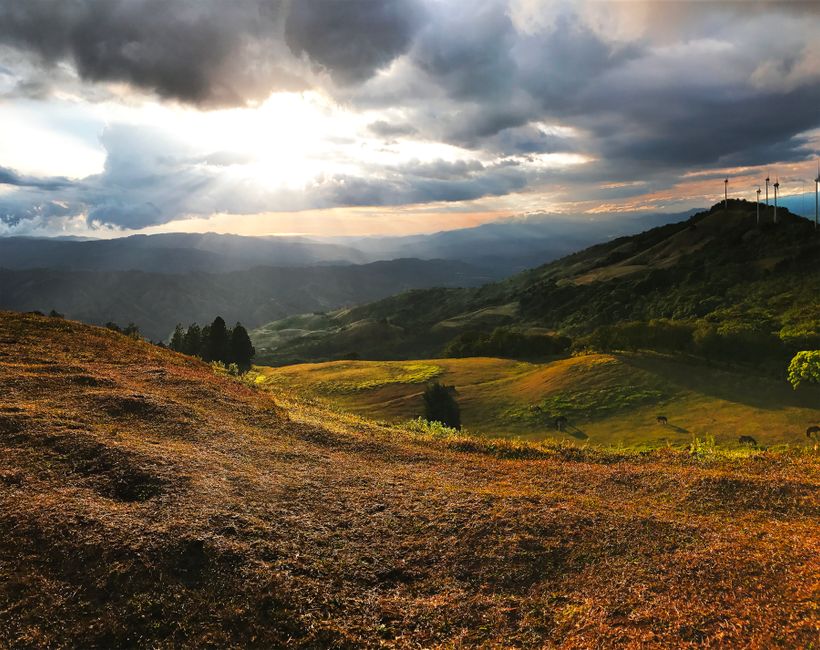
San Isidro del General — locally usually just called San Isidro or by its canton name Pérez Zeledón — is the largest town in southern Costa Rica, sitting in the broad General valley at about 2,300 feet elevation between the Talamanca mountain range to the east and the Pacific coastal range to the west. The town is the canton seat of Pérez Zeledón, one of Costa Rica's largest cantons by area and population. It functions as the regional hub for southern Costa Rica's population, commerce, healthcare, and government services.
What San Isidro is not: a beach destination, a tourist town, a developed expat enclave, or a place that has been substantially shaped by international real estate demand. The town's character comes from its role as a genuine working Costa Rican regional center — serving an enormous canton that includes the surrounding agricultural communities, the Talamanca mountain region, and the broader southern Costa Rica population.
What San Isidro is: an affordable, livable, authentically Costa Rican town with more complete urban infrastructure than any other southern Costa Rican destination. The healthcare (Hospital Escalante Pradilla), the supermarkets, the commercial options, the banking, the schools, and the services all reflect the town's status as the regional hub for over 100,000 people in a large and diverse canton.
The location is meaningful: San Isidro provides relatively accessible connections to the South Pacific coast (Dominical and Uvita about an hour to an hour and a half west), to Cerro Chirripó and the Talamanca region (the trailhead for Costa Rica's highest peak), and to San José metro (about three hours north via the dramatic Cerro de la Muerte mountain pass). The mountain pass is both the most distinctive feature of San Isidro life and its most significant infrastructure constraint.
The expat community is small and locally integrated — more so than at any typical expat-popular destination. People who choose San Isidro typically have Costa Rican spouses, specific cost-reduction priorities, mountain-recreation interests, agricultural connections, or preference for authentic Costa Rican life over international enclaves.
- Largest town in southern Costa Rica; canton seat of Pérez Zeledón
- Sits at ~2,300 feet in General valley between Talamanca and Pacific coastal ranges
- Most comprehensive services in southern Costa Rica
- Hospital Escalante Pradilla is regional public hospital
- Smaller, locally-integrated expat community than any expat-popular destination
- San José metro 3 hours via Cerro de la Muerte; South Pacific coast 1–1.5 hours
What Daily Life Looks Like
Daily life in San Isidro depends substantially on which area you choose. The town center and the surrounding rural districts produce meaningfully different daily experiences.
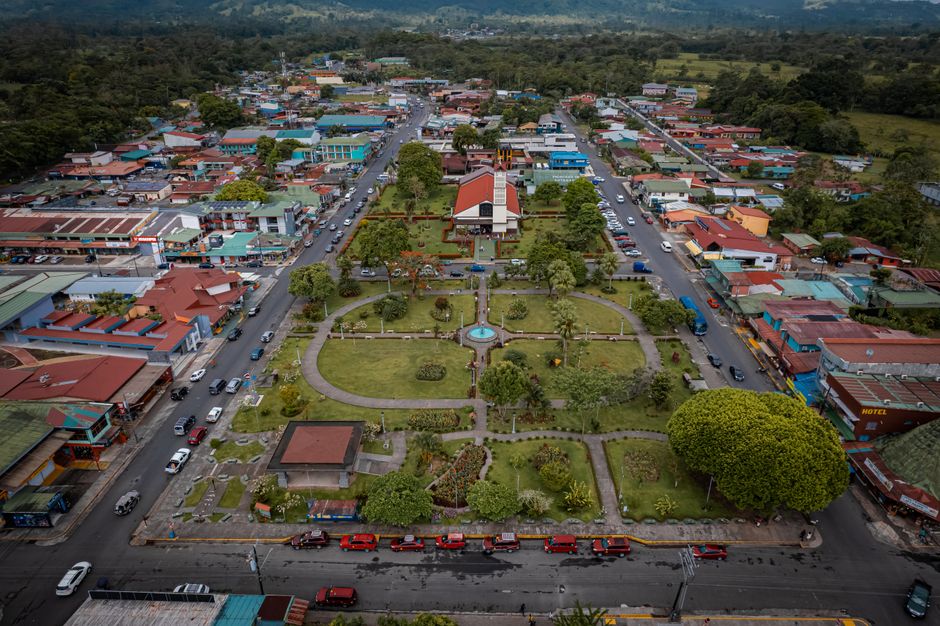
For groceries, the town center has multiple options — multiple supermarkets including the larger chains, the traditional Mercado Central, Pali, and various smaller markets. The Saturday farmers market and the central market are meaningful weekly social and shopping events that bring producers from across the canton together with buyers. Fresh produce, local coffee, and regional agricultural products are notably affordable and high quality.
For daily services, the town center has banking, pharmacies, hardware, professional offices, government services, restaurants (mostly Costa Rican sodas and some mid-range options), and a range of commercial activity. The regional bus terminal connects to destinations throughout southern Costa Rica. The cathedral and central park area anchor traditional civic life.
The Talamanca mountain access shapes daily life for residents interested in outdoor recreation. Cerro Chirripó — Costa Rica's highest peak at 12,533 feet — is the famous draw, with the trailhead at San Gerardo de Rivas (about 45 minutes from San Isidro). Regular hiking, mountain biking, and broader outdoor recreation in the surrounding mountain environment is part of the rhythm for many residents.
The town is genuinely Costa Rican in character. The rhythms of daily life — market days, school schedules, religious observances, soccer, fiestas patronales — all reflect traditional Costa Rican community life rather than tourist or expat adaptations.
- Daily life varies between urban town center and surrounding rural districts
- Multiple supermarkets, traditional Mercado Central, Saturday farmers market
- Cathedral and central plaza anchor traditional civic life
- Regional bus terminal serves destinations throughout southern Costa Rica
- Talamanca mountain access shapes daily life — Chirripó hiking, mountain biking, outdoor recreation
- Authentic Costa Rican rhythm — daily life not transformed by tourism economy
Climate and Environment
San Isidro's climate is meaningfully cooler than coastal Costa Rica thanks to the elevation in the General valley. The town center sits at about 2,300 feet, with daytime temperatures typically running in the upper 70s to low 80s Fahrenheit year-round. Surrounding districts vary with elevation — higher mountain communities can be substantially cooler, while lower valley areas can be warmer.
Nighttime temperatures cool meaningfully, particularly at higher elevations. Air conditioning is unnecessary essentially anywhere in San Isidro itself; many residents use only ceiling fans or natural ventilation. Higher mountain properties can be cool enough that residents specifically appreciate sweaters in the evenings.
The rainfall pattern is meaningful. The General valley receives substantial rainfall during green season (May through November). Some areas of Pérez Zeledón canton are among the rainier parts of Costa Rica, with the surrounding mountain ranges intercepting moisture and producing extended green-season precipitation. Dry season (December through April) is more pronounced in the valley than in some other Costa Rican areas.
Green season brings substantial rainfall, lush vegetation, and refreshed environment. Roads can be affected by heavy rains in some surrounding areas. Some access roads in higher mountain districts become more challenging during the wettest periods.
The Talamanca cordillera to the east is one of Costa Rica's most ecologically significant mountain regions, with extensive cloud forest, paramo at the highest elevations (the Chirripó area), and the broader Talamanca-Bocas del Toro biogeographic corridor that supports remarkable biodiversity.
Water is generally more abundant than in Guanacaste due to higher rainfall. The General valley benefits from mountain runoff and river systems that produce reliable water in ways that the drier coastal regions don't.
- Town center ~2,300 feet; meaningfully cooler than coastal Costa Rica
- Daytime upper 70s–low 80s F year-round; cooler in mountain districts
- AC unnecessary essentially anywhere in San Isidro itself
- Substantial green-season rainfall; some surrounding areas among Costa Rica's rainier parts
- Talamanca cordillera (Cerro Chirripó 12,533 feet) ecologically significant
- Water generally more abundant than in Guanacaste due to higher rainfall
Cost of Living Reality
San Isidro is among the most affordable Costa Rican destinations for buyers seeking full urban infrastructure. Property prices, rentals, dining, and most daily costs reflect the working Costa Rican regional center character with no expat premium.
Imported goods carry standard import duties. Local produce, agricultural products from the surrounding region, and basic services are notably affordable. Restaurants are mostly Costa Rican sodas and small mid-range options at affordable prices. Higher-end international restaurants are essentially absent. Daily eating costs are substantially below any expat-popular Central Valley or coastal destination.
Housing varies by district. The town center has affordable urban housing in some neighborhoods and mid-range options in others. Surrounding rural-residential districts have a wide range — from very affordable rural properties to mid-range homes in established residential developments. Mountain properties in the surrounding highlands can be particularly attractive as long-term residential value plays. Long-term rentals are widely available at lower rates than at any expat-popular Costa Rican destination.
Utilities are typical for Costa Rica. Most properties don't need air conditioning given the temperate climate, producing meaningful electricity savings. Internet is competitively priced. Water service is generally reliable and abundant.
Vehicle ownership is normal but the town center is more walkable than many Costa Rican places for residents living centrally. HOA fees apply in some gated residential developments but are generally low or absent for the more common traditional Costa Rican housing.
Professional services are at standard Costa Rican costs — healthcare, legal services, accounting, and contracting all reflect local rather than international pricing.
- Among the most affordable Costa Rican destinations with full urban infrastructure
- Substantial cost savings compared to all expat-popular destinations
- Local produce and agricultural products notably affordable
- Most properties don't need AC — meaningful electricity savings
- Long-term rentals widely available at lowest rates of any expat-accessible destination
- Water generally abundant; reliable utilities; professional services affordable
Healthcare Access
San Isidro has the most comprehensive healthcare infrastructure in southern Costa Rica. The combination of the regional public hospital, multiple private clinics, and the town's status as a regional service hub produces healthcare access that is meaningfully better than at any other expat-accessible southern or coastal Costa Rican destination outside the Central Valley.
For routine care, San Isidro has multiple private clinics and specialist offices in the town center. Pharmacies are widely available. The CAJA system has strong presence in the area for residents enrolled in the public system.
For specialist and hospital care, Hospital Escalante Pradilla is the regional public hospital — the largest in southern Costa Rica. The hospital handles emergencies, surgeries, and a range of specialist care for the canton and broader region. Multiple private clinics handle additional specialist needs.
For advanced specialty care, residents drive to San José metro (about three hours via the Cerro de la Muerte mountain pass) where Hospital CIMA Escazú and Hospital Clínica Bíblica are widely used. The mountain pass conditions can affect timing significantly during inclement weather.
For emergencies, Hospital Escalante Pradilla handles initial response; the most serious cases can involve transport to San José metro. Air ambulance services exist for very serious cases.
Dental care is widely available locally for routine work. San Isidro's healthcare access is the best in southern Costa Rica — meaningfully better than any coastal southern destination, though the mountain pass adds meaningful complexity to serious cases requiring San José metro facilities.
- Hospital Escalante Pradilla is largest regional public hospital in southern Costa Rica
- Multiple private clinics and specialists in town center
- San José metro hospitals 3 hours via Cerro de la Muerte mountain pass
- Best healthcare access in southern Costa Rica
- Mountain pass conditions can affect San José metro travel during inclement weather
- Air ambulance available for very serious emergencies

Getting Around and Getting Out
San Isidro has reasonable transportation infrastructure for a Costa Rican regional center, with the practical reality that distances to other major destinations are meaningful given southern Costa Rica's geography.
For flights, the relevant airport is Juan Santamaría International (SJO) in Alajuela, about three hours north via the Pan-American Highway through the Cerro de la Muerte mountain pass. The drive is dramatic but sometimes challenging — the highway climbs to over 11,000 feet at its highest point, with variable conditions including fog, rain, occasional dangerous conditions during heavy weather, and the meaningful elevation change.
For regional access, the South Pacific coast (Dominical and Uvita) is about an hour to an hour and a half west via the Pérez Zeledón to Dominical highway. This connection is one of San Isidro's significant practical advantages — it provides easier coastal access than from any Central Valley destination. Many San Isidro residents combine inland mountain living with regular coastal trips.
Within the San Isidro area, the town center is more walkable than many Costa Rican places for residents living centrally. Public buses are excellent — the regional bus terminal serves destinations throughout southern Costa Rica with frequent service, plus direct buses to San José. The surrounding rural districts require vehicles for most daily needs.
Traffic congestion within the town center can be real during peak hours. Some access roads in higher mountain areas become more challenging during heavy rains.
Uber operates within the town center area with available drivers. Local taxis are abundant. For residents in surrounding rural districts, vehicles are genuinely essential.
- SJO airport ~3 hours north via Cerro de la Muerte mountain pass
- South Pacific coast (Dominical, Uvita) 1–1.5 hours west — significant practical advantage
- Cerro de la Muerte route climbs over 11,000 feet — variable conditions
- Town center more walkable than many Costa Rican places
- Excellent regional bus terminal serves all southern Costa Rica destinations
- Mountain driving conditions require confidence and adaptation

Community and Social Life
San Isidro's social fabric is genuinely Costa Rican. The combination of regional center civic life, agricultural heritage, religious tradition, and a small expat community produces a social environment that has not been substantially altered by international concentration.
The Costa Rican community is the foundation. Many local families have lived in the broader Pérez Zeledón canton for generations, working in agriculture (especially coffee, sugar cane, and cattle ranching), trades, professional services, and the regional service economy. The Catholic church, school events, traditional Costa Rican family life, soccer, and the central park area all anchor local social rhythms. The annual fiestas patronales bring the community together each year.
The expat community is meaningfully smaller than at any expat-popular Costa Rican destination. People who choose San Isidro typically self-select for the dramatic cost savings, the authentic Costa Rican character, and specific lifestyle preferences. Many integrate into Costa Rican life through Costa Rican spouses, agricultural connections, professional work in Costa Rican institutions, or mountain-recreation interests (particularly the Chirripó hiking community).
Gathering points include the Saturday farmers market, the central park area near the cathedral, several long-running local cafes and restaurants, and the various agricultural and rural community events. The Chirripó hiking community produces a particular sub-community of residents and visitors connected through the mountain.
Spanish proficiency is genuinely necessary for social integration. The social infrastructure operates entirely in Spanish. Residents who don't develop Spanish language skills stay in a much more transactional, limited relationship with San Isidro's community life.
- Genuinely Costa Rican social fabric — not internationalized
- Cathedral and central park anchor traditional civic and religious life
- Smaller expat community than any expat-popular Costa Rican destination
- Saturday farmers market and central park area anchor weekly social rhythms
- Spanish proficiency genuinely necessary — social infrastructure operates entirely in Spanish
- Best suited for buyers seeking genuine integration into Costa Rican life

Schools and Family Life
The San Isidro area has reasonable educational infrastructure for a Costa Rican regional center, though more limited than larger metropolitan destinations.
For Costa Rican families, the public school system is well-developed throughout Pérez Zeledón. Primary, secondary, and some post-secondary options exist locally. Many Costa Rican parents who can afford private education send their children to private schools in San Isidro itself.
For expat families, private and bilingual school options serve the area but are more limited than at the Central Valley or major coastal destinations. International schools require relocating to San José metro or accepting boarding situations. Families with school-age children should research current school options carefully.
The valley climate is excellent for active outdoor childhood. Children growing up in San Isidro have unusual access to genuine mountain wilderness experiences — Chirripó climbs, surrounding hiking, and the broader Talamanca region — that distinguish childhood here from busier coastal or metropolitan destinations.
Pediatric healthcare is accessible at Hospital Escalante Pradilla and through specialist offices in the town center. The regional concentration of healthcare in San Isidro produces meaningfully better pediatric access than at coastal southern Costa Rica destinations. Serious pediatric needs typically involve trips to San José metro hospitals.
Activities for children include traditional Costa Rican youth activities (soccer is particularly strong here), school programs, organized sports leagues, mountain and outdoor activities, and the broader Pérez Zeledón youth ecosystem.
- Public schools well-developed; some private and bilingual options locally
- International schools require relocating to San José metro or boarding
- Pediatric healthcare best in southern Costa Rica through Hospital Escalante Pradilla
- Talamanca mountain access provides distinctive childhood outdoor opportunities
- Smaller peer community of expat children than other expat-popular destinations
- Best suited for families with Costa Rican spouses or close local ties
Working and Income
Income strategies in San Isidro combine the regional service economy with remote work potential.
For remote workers, San Isidro is viable. Internet through fiber providers reaches most populated areas with reliability suitable for focused work. The temperate climate makes home offices comfortable year-round. Time zone aligns with North America. The substantially lower cost of living compared to any expat-popular destination is a major draw for remote workers prioritizing budget. The 3-hour mountain pass distance from San José metro is the meaningful constraint for residents who need occasional in-person business activity in the Central Valley.
For employment, local options are diverse for a Costa Rican regional center. Agriculture (especially coffee, sugar cane, and cattle ranching), the regional service economy, healthcare through Hospital Escalante Pradilla and the broader medical infrastructure, education, government, and trades all provide stable employment.
For entrepreneurs, the combination of regional center economy and small expat community supports specific kinds of businesses. Services for the Costa Rican community at standard local pricing, services for the residential expat community, agricultural-adjacent businesses, real estate, and certain hospitality and tourism options (especially related to Chirripó hiking and the Talamanca region) all have working models. Competition is less intense than in more saturated expat-popular destinations.
Vacation rental potential is mostly in surrounding Chirripó-adjacent rural communities rather than the town center itself.
- Remote work viable; substantial cost savings major draw for budget-conscious workers
- Regional service economy diverse for canton size — agriculture, healthcare, services, government
- Coffee, sugar cane, and cattle ranching significant in surrounding districts
- Less intense entrepreneurial competition than expat-popular destinations
- Vacation rental potential mostly in surrounding Chirripó-adjacent rural communities
- Strongest base for budget-prioritizing remote workers wanting Costa Rican integration

Safety and Honest Concerns
San Isidro is generally considered safe by Costa Rican standards. The combination of regional center civic life, established residential character, and the absence of the patterns that drive crime in larger metropolitan areas produces a daily life with relatively low crime.
Petty crime exists. Theft from unlocked vehicles, opportunistic break-ins of unsecured properties, and pickpocketing in busy commercial areas all happen, particularly in the town center's commercial concentration. Basic precautions reduce these risks substantially.
Violent crime is uncommon in San Isidro daily life. The town has the typical pattern of any working Costa Rican regional center — most violent crime is connected to specific situations, late-night venues, or particular underground economic patterns rather than random street violence.
The drug economy that affects parts of Costa Rica has some presence in southern Costa Rica connected to the Pan-American Highway and the Panamanian border region. San Isidro's position as a regional hub means there is more drug-economy presence here than in remote rural areas, but it generally affects specific late-night situations rather than general daily life.
Some neighborhoods within the town center carry mixed reputations. Buyers should investigate neighborhoods carefully and not assume that all areas within San Isidro are uniformly comfortable. Long-term residents know the patterns; new buyers should ask carefully and visit at multiple times before committing.
Natural hazards include the substantial green-season rainfall that can cause flooding in some areas and landslides on hillside or mountain district areas. The Cerro de la Muerte mountain pass produces dangerous driving conditions during heavy weather — fog, rain, occasional ice at the highest elevations, and reduced visibility all contribute to accidents. Earthquakes are part of life in Costa Rica.
- Generally safe by Costa Rican standards
- Petty theft most common in commercial center; basic precautions reduce risk
- Drug economy presence connected to Pan-American Highway and Panamanian border region
- Cerro de la Muerte mountain pass produces dangerous driving conditions during heavy weather
- Some town center neighborhoods carry mixed reputations — investigate carefully
- Mountain recreation access produces specific safety considerations for hikers
The Hard Truths
San Isidro is genuinely Costa Rican, not internationalized. People who arrive expecting Atenas-style established expat community at San Isidro prices discover the difference is substantial. The English-speaking infrastructure is much smaller than at any expat-popular destination. The international amenities are limited. The expat community itself is small enough that integration into Costa Rican life is required for most residents to build community over time.
Spanish proficiency is genuinely necessary for daily life in ways that don't apply at Atenas, Heredia, Escazú, or even Grecia. The local working-town community, neighborhood interactions, business dealings, and broader social life all happen primarily in Spanish. This is not a flaw — it's the authentic Costa Rican character that makes the area appealing to many — but it requires honest understanding before committing.
The expat community is small enough that residents who arrive without a clear plan for community engagement and Spanish development can find San Isidro isolating. The smaller English-speaking ecosystem means newcomers need much more deliberate effort to build community than at any expat-popular Costa Rican destination.
Some neighborhoods within the town center carry mixed reputations. Buyers should investigate neighborhoods carefully and not assume uniform comfort throughout.
The Cerro de la Muerte mountain pass to San José metro is the meaningful regional constraint. Three hours of mountain driving with variable conditions affects how residents structure international travel and Central Valley access. People who fly internationally with any regularity discover this quickly.
Real estate appreciates moderately — this is not a rapid-appreciation market. The value proposition is long-term residential affordability and authentic Costa Rican living, not appreciation speculation.
- Genuinely Costa Rican, not internationalized — substantial difference from Atenas or Grecia
- Spanish proficiency genuinely necessary for daily life
- Cerro de la Muerte mountain pass adds meaningful time and complexity to all Central Valley/airport travel
- Smaller English-speaking ecosystem requires more deliberate community-building
- International schools require relocating to San José metro or boarding
- International dining and retail essentially absent
- Real estate appreciates moderately — long-term value, not rapid speculation
- South Pacific coast 1–1.5 hours but regular beach time still requires planning and driving
Frequently Asked Questions About Living in San Isidro del General
Is San Isidro del General safe for foreigners to live in?
San Isidro is generally considered safe by Costa Rican standards.
How much does it cost to live in San Isidro del General?
San Isidro is among the most affordable Costa Rican destinations for buyers seeking full urban infrastructure.
Do I need to speak Spanish to live in San Isidro del General?
San Isidro's social fabric is genuinely Costa Rican.
What is the best time of year to visit San Isidro del General?
San Isidro's climate is meaningfully cooler than coastal Costa Rica thanks to the elevation in the General valley.
Quick Reference: San Isidro del General At a Glance
| Overview | San Isidro sits at about 2,300 feet elevation in the broad General valley, with the town center serving as the regional hub for southern Costa Rica's broader population, surrounded by agricultural communities, coffee-producing highlands, and the dramatic mountain landscape that includes Cerro Chirripó (Costa Rica's highest peak). |
| Climate | San Isidro's climate is meaningfully cooler than coastal Costa Rica thanks to the elevation in the General valley. |
| Real estate | San Isidro offers urban properties in the canton seat, traditional residential homes throughout the surrounding neighborhoods, agricultural land in the broader valley, mountain properties in the surrounding highlands, and a wide range of housing — at price points genuinely affordable by Costa Rican standards and dramatically below most expat-popular destinations. |
| Time zone | CST (UTC−6) — no daylight saving time |
| Nearest airport | SJO — Juan Santamaría International Airport |
| Foreign ownership | Yes — foreigners own fee-simple title with the same rights as Costa Rican nationals |
Pros and Cons
Advantages
- ✓ Genuine affordability — among the most affordable Costa Rican locations with full urban infrastructure
- ✓ Most comprehensive services in southern Costa Rica
- ✓ Authentic working Costa Rican town life
- ✓ Cooler valley climate and access to surrounding mountains
Considerations
- ! Smaller expat community than Central Valley or coastal destinations
- ! Limited international amenities and English-language infrastructure
- ! Spanish proficiency genuinely necessary for daily life
- ! Distance from coastal destinations and from Central Valley access
Practical Notes
San Isidro is the canton seat of Pérez Zeledón, one of Costa Rica's largest cantons by area and population. The town serves as the regional hub for southern Costa Rica including the surrounding rural communities, the Talamanca mountain region, and access to the South Pacific coast. The drive to San José metro is about three hours via the Pan-American Highway through the Cerro de la Muerte mountain pass; to the South Pacific coast (Dominical, Uvita) is about an hour to an hour and a half.
Nearby Areas to Compare
Ready to Compare Properties in San Isidro del General?
Browse verified broker listings from San Isidro del General and the surrounding area.